
Mud Season Is Not Dead Season: Filling Killington's Shoulder Months
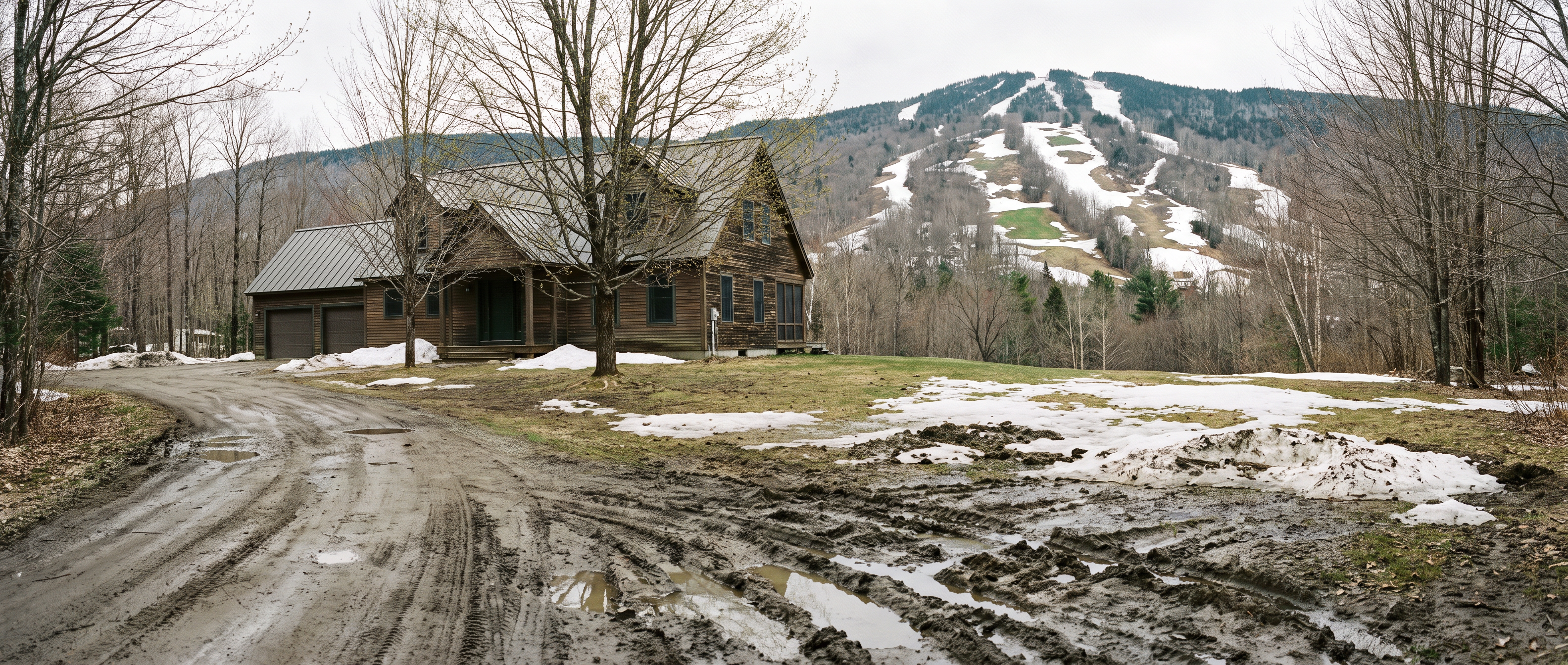
Every Killington owner knows the feeling. The winter calendar is full, the last ski weekend passes, and then April arrives with a blank page. Killington mud season has a reputation as the stretch when nothing books and nothing can be done about it. Neither part is quite true. Demand drops, but it does not disappear, and the empty nights that remain are the most useful ones of the year for an owner who plans ahead.
The Short Expert Answer
Mud season in Killington runs roughly from late March to late May, with a second, shorter lull in late fall between foliage and the ski opening. Rates and occupancy are at their lowest, but spring skiers, remote workers, mountain bikers, hikers, and event guests still travel. A home earns in these months with shorter minimum stays, midweek pricing, and wide distribution. The unsold nights are the cheapest time of year to do repairs, deep cleaning, and upgrades, and to use the home yourself.
What mud season is, and when it falls
Mud season is the spring thaw. Snow melts, back roads soften, trails close to protect them, and the mountain shifts from winter to summer operations. For a rental calendar it is the valley between the two halves of the year.
Killington’s demand follows a clear shape. Winter is the peak, led by the Christmas to New Year’s holidays, Martin Luther King Jr. weekend, and Presidents’ Week. Summer and early fall bring a second, gentler rise that tops out at peak foliage. Between them sit two shoulders.
Spring shoulder. Late March through late May. This is the long one, and the one people mean when they say mud season.
Late-fall shoulder. The weeks after the leaves drop and before the lifts open. Locals call it stick season. It is shorter and ends abruptly when winter bookings begin around Thanksgiving.
The same pattern holds, with small differences, for homes near Okemo and in Quechee. You can see the yearly curve in the relative demand chart on our revenue page.
Who still travels in the shoulder months
Fewer people come, but the ones who do are specific about what they want. Matching a home to them is how shoulder nights get booked.
Spring skiers (late March into spring, for as long as the resort keeps lifts turning): short stays, flexible dates, quick access to the mountain.
Remote workers (April, May, and November): fast wifi, a real desk, a quiet setting, weekly rates.
Mountain bikers and hikers (late spring, once trails dry and the bike park opens): gear storage, a hose, laundry, room for a group.
Event and wedding guests (spring and fall weekends): beds for several couples, parking, two-night stays.
Foliage travelers (late September into October): views, a fire pit, two or three nights.
Early-season skiers and race fans (Thanksgiving week and the first open weekends): group capacity close to the resort.
A few of these deserve a closer look.
Killington is known for one of the longest ski seasons in the East, and spring skiers are a loyal crowd. They book late, watch the weather, and care more about price and proximity than amenities.
Remote workers have become a steady source of midweek and multi-week stays. A home with strong internet and a proper workspace can pick up bookings in months that used to be empty. Our guide to working remotely from Killington shows what those guests look for.
When the lifts switch to summer use, the Killington Bike Park brings riders back to the same homes skiers just left. In the fall, Vermont foliage carries the calendar into October before the late-fall lull.
How pricing changes in the shoulder
A rate plan built for February does not work in April. The goal in the shoulder is different: sell the nights that can be sold, at a price that still makes sense after cleaning.
Shorter minimum stays. A three-night minimum that protects a holiday weekend will block a one-night spring skier. Minimums come down.
Midweek pricing. Remote workers and couples travel Monday to Thursday if the rate invites them.
Length-of-stay discounts. A week or a month at a lower nightly rate, with one cleaning, can out-earn a handful of scattered weekends.
Last-minute adjustments. Spring demand moves with the weather. A late storm or a warm, sunny forecast changes what a weekend is worth.
There is a floor. A booking that barely covers the turnover adds wear to the home and little to the owner’s statement. Knowing where that floor sits is part of the job, and we explain the approach in dynamic pricing with an expert behind the wheel.
Where shoulder bookings come from
Peak weeks sell themselves on the big marketplaces. Shoulder nights need more help.
Wider distribution matters most when demand is thin. GetAway lists each home on more than 30 booking channels, which puts it in front of last-minute shoppers, niche audiences such as bikers, and travelers who never use the major apps. Our guide to how 30+ booking channels fill a Vermont or Maine home explains how that works.
Past guests matter too. Someone who skied from your home in January is a natural fit for a spring weekend or a summer bike trip. Seasonal email to past guests gives them a reason to come back and a direct way to book.
The maintenance window
Here is the part of mud season that works in an owner’s favor. Every home needs time off the market for work. The only question is which nights you give up to do it.
A week of deck repairs in February costs a week of peak revenue. The same week in early May costs very little. Owners who schedule deliberately protect their best dates.
Deep clean, carpets, and upholstery: right after ski season. Clears a winter of boots, salt, and wet gear.
Driveway, drainage, and grading repairs: once the ground firms up. Thaw shows where water is going.
Deck, siding, and exterior paint: late spring. Dry weather, and the home is ready before summer.
Hot tub service and refill: spring and late fall. Between heavy-use seasons.
Mattress, linen, and furniture replacement: spring. New items are in place for summer photos.
Chimney, furnace, and heating service: late fall. Before the first cold arrivals.
New photography: after any upgrade. Listings should show the home as it is now.
Our property care program covers inspections, in-house maintenance, and seasonal preparation, so this work is planned around the calendar and not squeezed in after a problem appears.
Owner stays that cost almost nothing
The shoulder months are also the right time to enjoy the home. A week in early May or the first half of November displaces little rental income, and the mountains are quiet. Owners can block their own dates from the owner dashboard and see what is already booked before they choose.
Pairing a visit with maintenance works well. Walk the property, meet the people doing the work, and approve what is next.
A worked example
Consider a three-bedroom home near the Killington Road. The numbers below are round, illustrative figures chosen to show the method. They are not a projection for any specific home.
With no shoulder plan. The owner leaves winter settings in place: a three-night minimum and winter weekend rates. From mid-April to late May the home books twice, both on holiday weekends. A deck repair gets scheduled for the first open slot the contractor has, which turns out to be a July week.
With a shoulder plan. Minimum stays drop to one or two nights. Midweek rates are set to attract remote workers, and a weekly rate is offered. The home picks up two spring ski weekends, a ten-night remote work stay, and a bike weekend in late May. The deck repair is booked for the first week of May, the owner visits that same week, and July stays fully open.
The second owner did not find a secret source of demand. They sold the nights that could be sold, and they spent the unsold ones on purpose. The larger gain is often the July week that was never lost.
The quiet months set up the busy ones
Mud season will never look like Presidents’ Week, and it does not need to. Its job is different. A home that books modestly in April and May, gets its repairs done on low-value nights, and enters summer clean and photographed is ahead of a home that sat closed and then lost a peak week to a contractor.
Treat the shoulder as part of the plan, and the whole year performs better. Owners near the other mountains can read how we handle this at Okemo and Quechee Lakes, and in our Killington owner program.
See what your home could earn across all four seasons
Our revenue manager will prepare a free projection specific to your home, with no obligation. Get a Free Rental Projection.